
The HR Leaders' Guide to the Gen Z Transition: From Campus to Career Powerhouse.

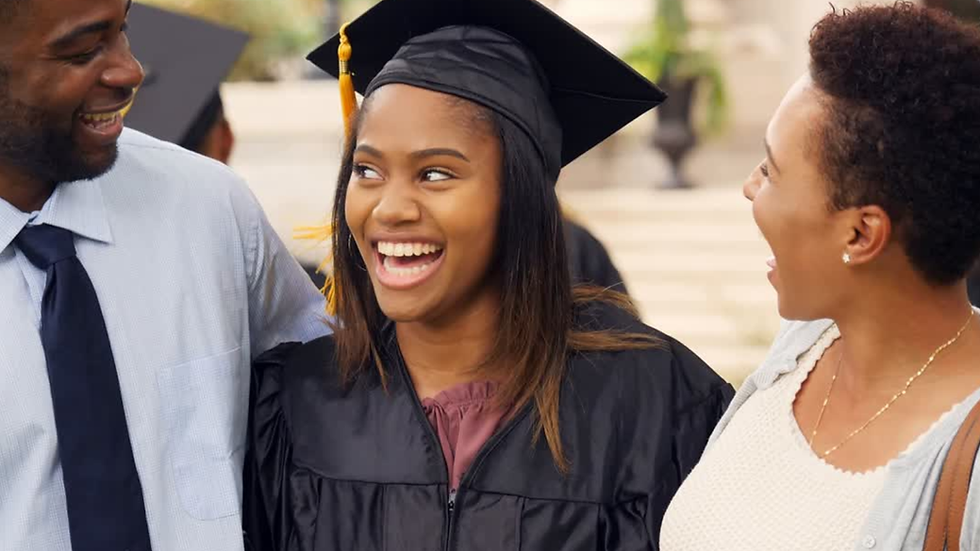
The next wave of talent is here, and they are bringing a fundamentally different operating system to your workplace. Generation Z (born 1997-2012) represents the most digitally fluent, purpose-driven, and diverse cohort yet. For Human Resources Leaders, their arrival is not merely a staffing cycle event; it is a catalyst for organisational transformation.
The challenge lies in the clear difference between the skills acquired in an academic bubble and the complex, often subtle competencies required to thrive in a high-stakes business environment. Simply hiring Gen Z is not enough; retaining and maximising their potential requires intentional, structured intervention.
At Diverse Conversations, we understand that high turnover and low engagement among early-career hires often reflect a gap in support, or an inability/unwillingness to ask for the proper support—not a lack of potential. Many graduates are stepping into the workplace after years of online learning, and the transition can be challenging. Our programmes are designed to bridge that gap, helping new hires build confidence, connection, and the practical skills needed to thrive in a corporate environment.
This is the compelling case for making a comprehensive Workplace Readiness Programme the cornerstone of your talent strategy.
The ROI of Workplace Readiness: Why Intervention is Strategically Important.
The average cost of replacing an employee is estimated to be between six and nine months of that employee’s salary. For early-career hires who churn quickly because they feel ill-equipped or disconnected, this cost is a massive drain on your L&D and recruitment budgets. Investing in readiness is an investment in retention and speed-to-performance.
Our Workplace Readiness Programme specifically addresses the critical gaps that cause early attrition.
The Unspoken Curriculum: From Grade Points to Professional Capital.
The transition from academia to business is marked by a shift in what constitutes "success." The most meaningful change is the move from a system where you are judged primarily on what you know to one where you are judged on how you apply that knowledge, how you interact, and how reliable you are. In the corporation, success is expected, collaborative, and measured by impact and influence. HR Directors must recognise that your new Gen Z hires are missing the "unspoken curriculum" of the corporate world:
Deciphering Professional Etiquette and Communication.
Gen Z is highly skilled at rapid-fire, informal digital communication. This is a massive asset, but it creates friction when navigating formal channels:
Email Etiquette: The difference between a casual text and a professionally structured email—using clear subject lines, appropriate salutations, and concise content—is a learned skill critical for managing stakeholder expectations.
Meeting Dynamics: Knowing when to speak, how to interrupt gracefully, how to summarise actions, and the importance of active listening in a boardroom or virtual meeting.
Feedback Literacy: Training on how to give constructive feedback (managing peers and eventually direct reports) and, more importantly, how to receive and implement critical feedback without defensiveness.
Mastering Planning, Prioritisation, and Accountability.
In a college setting, the syllabus provides the priority. In a corporate role, priorities are fluid, shifting in response to client needs, market changes, and leadership directives. The Workplace Readiness Programme must instil a mastery of the hands-on skills that drive results:
The Urgent vs. Important Matrix: Teaching new hires to move beyond reactive task completion (urgent) to proactive goal attainment (important).
Managing Up: Understanding your manager’s goals, anticipating their needs, and providing clear, consistent updates without requiring constant handholding. This is the highest form of professional accountability.
Time Blocking and Focus: Introducing techniques to manage attention in a distracting digital world, ensuring deep work is completed, and deadlines are consistently met.
The Power of Intentional Dress Code.
While many organisations have adopted "business casual," the standard remains nuanced. For a new hire, the dress code is a critical, non-verbal cue that signals respect for the company, the client, and the role. The Workplace Readiness training needs to frame the dress code not as a restriction, but as a strategic tool:
Role-Based Impression: Understanding that a client-facing role demands a higher level of formality than an internal-only analyst role.
Signaling Seriousness: Especially in the first year, intentional, professional attire helps counter the perception of inexperience, contributing to self-confidence and external credibility.
The Hybrid Balance: Why Face-to-Face Matters for Early Careers.
Flexibility is important, but evidence shows that in-office time—especially during onboarding—significantly improves integration and accelerates learning. Some studies even suggest the first six months should include regular office days to build relationships and understand company culture. At Diverse Conversations, we champion this principle while leveraging our hybrid training model to reach talent across the country. This approach ensures your new hires gain the benefits of face-to-face engagement without sacrificing accessibility, helping them transition confidently from learners to contributors.
The First Year is 80% Osmosis, 20% Task.
For HR, the imperative is clear: maximise proximity during the foundational phase. Senior leaders and mentors have limited time. The critical transfer of tacit knowledge—the "how to get things done around here" that is never written down—happens spontaneously and informally:
The Overheard Strategy: Listening to a manager negotiate on the phone or debate a strategy in an adjoining cubicle provides context that a scheduled Zoom meeting can never replicate.
Spontaneous Mentorship: The 30-second desk visit from a senior colleague that prevents a week of wasted effort.
Building Social Capital: Trust, the currency of business, is built on consistent, reliable, physical visibility. Remote invisibility can inadvertently sideline new hires from high-profile, career-defining projects.
These micro-interactions—the "water cooler moments" that everyone dismisses—are actually the invisible curriculum of corporate life. They are fundamentally lost in a remote setting.
A Pragmatic Call to Action for HR Directors.
One of your roles is to shape a high-performance culture that creates, maintains, and retains top talent. A Workplace Readiness Programme is a practical way to support new hires and set them up for success, helping reduce early-stage challenges that often lead to lower productivity and higher turnover. Partnering with Diverse Conversations gives you access to a structured yet culturally aligned programme that eases the transition from campus to corporate. We help transform academic knowledge into workplace skills, ensuring your Gen Z hires confidently move from learning theory to delivering results.
As one of our Lead Facilitators, Audrey Nkuna, succinctly puts it, "Digital fluency might open the door for Gen Z, but professional fluency is what truly unlocks success. Our goal isn’t to change who they are—it’s to give them the perspective and language they need to navigate the business world with confidence. Practical skills today lay the groundwork for the inspiring leaders of tomorrow”.
Invest now in the process of integration, not just the act of hiring. Ensure your organisation is structured to absorb the energy, drive, and innovative spirit of Gen Z, turning their potential into your company’s next competitive advantage.
The future is ready. Are your new employees?
To find out more about Diverse Conversations' Employee Readiness Programme supported with our interactive e-learning system and dynamic, senior facilitators, contact us: info@diverseconversations.co.za
About Diverse Conversations Academy:
The origin of Diverse Conversations, founded in 2005, lies in the belief that every voice matters. Our signature facilitation and learning style is founded on one powerful premise: solutions often lie within the collective perspective of many stakeholders. By harnessing varied opinions and viewpoints, we learn better together.
Diverse Conversations is a level 1 B-BBEE, 51% black female-owned business, which blends a dynamic, interactive e-learning system with facilitated in-person learning to maximise capability and impact. We offer skills development programmes, accredited learnerships, accredited occupational development, accredited graduate programmes, tailor-made specialist training courses, a work readiness programme, and employee and leadership development.
We don't just train, we deliver results. Our commitment is proven by a >98% Learnership Completion Rate and a >75% Absorption Rate, guaranteeing maximum impact for your B-BBEE scorecard and a high-potential workforce.


Comments